
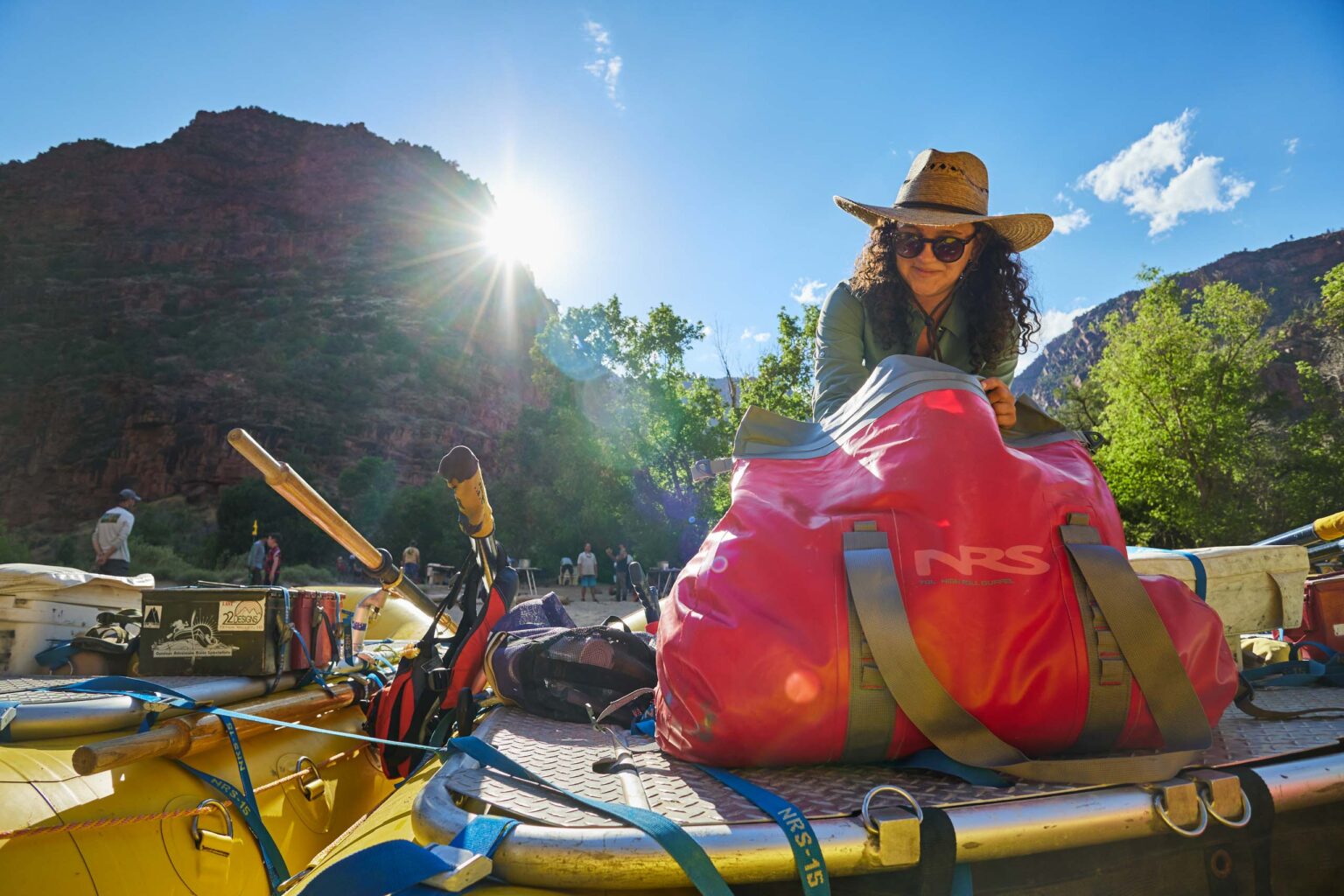
Rafting in Colorado is one of the most exciting ways to spend a summer day, but showing up unprepared can turn an epic adventure into an uncomfortable one. Whether you are hitting a gentle stretch of river with the kids or tackling a more advanced class of rapids, having the right gear on hand makes a huge difference.
Below is a full rundown of everything you should pack before heading out for a day of white water rafting, along with a few tips on what to leave at home.
1. Quick Dry Clothing
Cotton is the enemy of any river trip. It holds onto water, gets heavy, and can leave you shivering even on a warm day. Instead, pack clothing made from quick dry synthetic materials such as polyester or nylon blends.
A lightweight long sleeve shirt is a smart choice even in summer, since it protects your skin from both sun and the occasional splash of cold water. Pair it with quick dry shorts or leggings depending on your comfort level and the weather forecast for the day.
2. A Swimsuit or Rash Guard
Most people wear a swimsuit underneath their clothing when rafting in Colorado, and this is a good habit to keep. A rash guard is another excellent option, particularly for longer trips where you might be in and out of the water more than once.
Rash guards also add a layer of sun protection, which matters more than people expect at Colorado’s higher elevations.
3. Secure Water Shoes
Flip flops and sandals without ankle straps are notoriously bad choices for rafting. They come off easily in the current and offer almost no protection against rocks hidden beneath the surface.
Closed toe water shoes, river sandals with secure straps, or even old sneakers you do not mind getting wet are all solid choices. Your outfitter will likely mention this requirement before the trip, but it is worth double checking the specifics with wherever you book.
4. Sunscreen
Colorado sits at a significantly higher elevation than most of the country, which means the sun’s rays are stronger and sunburns happen faster than people anticipate. Water reflects sunlight as well, so exposure is even more intense during a rafting trip than it would be on land.
Choose a waterproof, sweat resistant sunscreen with a high SPF, and apply it generously before you get on the water. Reapplication partway through a longer trip is also a good idea if your outfitter allows for a break.
5. A Hat With a Strap
A hat helps protect your face and the back of your neck from sun exposure, but a regular baseball cap is likely to end up floating downstream the moment you hit your first rapid.
Look for a hat with an adjustable chin strap, or bring a cheap strap you can attach yourself. Some paddlers skip hats entirely once they know they will be hitting bigger white water rafting sections, simply because the risk of losing it outweighs the benefit.
6. Polarized Sunglasses With a Retention Strap
Sunglasses are just as useful on the river as a hat, cutting down on glare from the water’s surface and helping you see obstacles more clearly. Polarized lenses are especially effective for this.
Just like with hats, a strap is essential. Croakies or a similar retention strap will keep your sunglasses attached to your head even during the bumpiest sections of a rapid, saving you from an expensive loss.
7. A Dry Bag for Personal Items
Phones, car keys, wallets, and other valuables have no business being loose in a raft. A dry bag keeps these items safe and dry, and most outfitters either provide one or allow you to bring your own.
If you plan to bring a phone for photos, consider a smaller waterproof pouch that can be worn around your neck or clipped to your life jacket, in addition to the larger dry bag for anything you are not actively using during the trip.
Many companies offering rafting in Colorado will also snap photos of your group during the trip and sell them afterward, which can be a good alternative if you would rather not risk your own phone on the water at all.
8. A Change of Clothes for After
Nothing beats climbing out of a raft after a few hours on the water and immediately changing into something warm and dry. Pack a full change of clothes, including socks and shoes, and leave them in your vehicle or with your outfitter if storage is available.
A towel is worth throwing in as well.
9. A Reusable Water Bottle
Staying hydrated matters just as much on the river as it does hiking or biking, especially given Colorado’s dry climate and elevation. Bring a reusable water bottle that can clip or attach securely to your gear so it does not float away.
Some rafting companies provide water during breaks, but it is always smart to bring your own supply just in case. Insulated bottles are particularly useful since they will keep your water cold even on a hot afternoon.
10. Snacks for Longer Trips
If your rafting trip is scheduled to last several hours, pack a few lightweight, energy dense snacks. Granola bars, trail mix, and dried fruit all travel well and provide a quick boost without weighing down your dry bag.
Avoid anything messy or perishable, since coolers are not always practical to bring along on the raft itself. Check with your outfitter ahead of time regarding their policy on snacks and whether food is provided as part of the package, since many rafting in Colorado experiences include a meal or snack stop depending on the length of the trip.
11. A Positive, Flexible Attitude
This might not fit in a dry bag, but it belongs on every rafting packing list all the same. Weather on the river can change quickly, water levels fluctuate throughout the season, and even the best laid plans sometimes shift at the last minute.
Guides working in white water rafting know the river conditions far better than any of their guests, so trusting their judgment and staying flexible goes a long way toward making the day enjoyable for everyone in the group.
12. Proper Identification and Waivers
Most outfitters require a signed waiver before you are allowed on the water, and some request identification for age verification purposes, particularly for trips involving more advanced rapids. Bring a physical copy of any required documents, along with a form of ID, just to avoid delays before your trip begins.
13. Layers for Cooler Mornings
Rivers in Colorado tend to run cold no matter how warm the air temperature feels, and mornings at higher elevations can start out downright chilly even in the middle of summer. A lightweight jacket or fleece layer that you can remove once the day warms up is a smart addition to your bag.
Wool or synthetic layers work best since they retain warmth even when wet, unlike cotton.
14. A Sense of the River You Are Rafting
Not every stretch of river offers the same experience, and knowing what to expect ahead of time helps you pack and prepare appropriately. A gentle scenic float calls for a very different mindset than a technical stretch of class four rapids.
Ask your rafting outfitter plenty of questions before booking. Companies specializing in rafting in Colorado can typically match you with a trip suited to your group’s experience level, whether that means a relaxed family friendly float or a more adrenaline fueled white water rafting adventure for experienced paddlers.
15. Cash for Tips
Rafting guides work hard, often spending long hours on the water in physically demanding conditions while keeping their guests safe and entertained. Tipping is customary in the rafting industry, similar to other guided outdoor activities.
Bring a bit of cash to tip your guide at the end of the trip if you feel they did a great job, since many rafting companies do not build gratuity into the base price of the trip.
Packing smart before a rafting trip does not need to be complicated, but a little preparation goes a long way toward making sure your day on the water is comfortable, safe, and genuinely fun from start to finish.
